
By Jessica Ivory · Contributing Writer
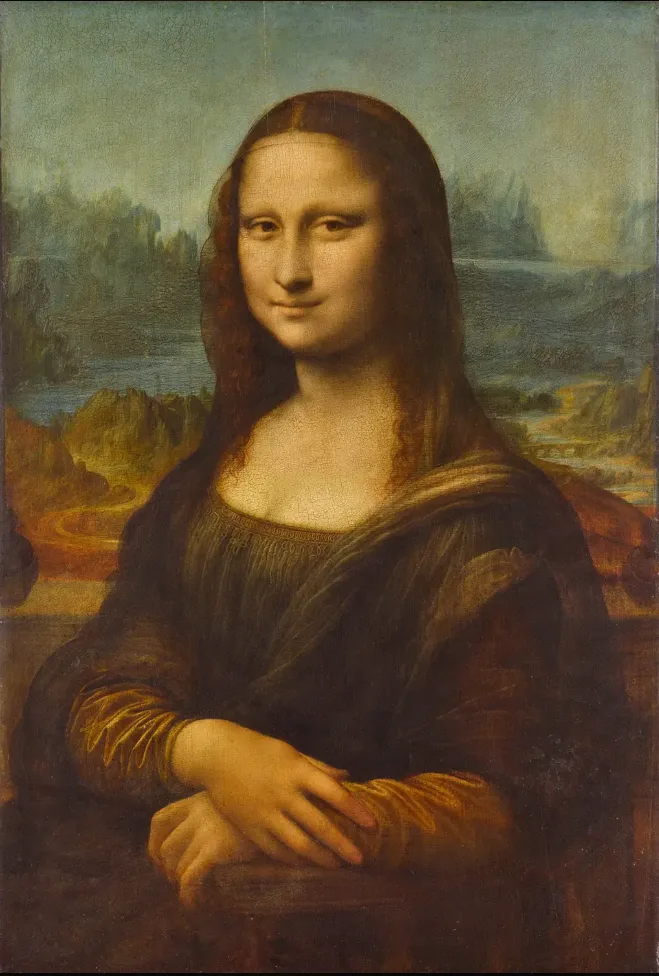
Where does beauty reside? Is it outside of the self, or within? What makes something beautiful?
Historical beauty standards often change over centuries or decades, and the changes in those standards have continued to accelerate, making it confusing to pin down any solid standard.
However, some traits of beauty are consistent. We know this because people still listen to Beethoven and Mozart; people still enjoy Raphael’s paintings; people still like medieval dresses and armor. If beauty solely depended on the opinions of people at a single point in time, we would not consider so many old things beautiful. Certainly, we could not have come to such a near-universal agreement that the aforementioned ideas are beautiful.
So, this must mean that a standard of beauty exists that extends to all things. There must be ideas and concepts regarding beauty that we all recognize and consider true. But how do we reconcile these standards with the differences between individual opinions?
The bridge over that gap must connect all the different opinions about beauty. This thing must be a foundation that underlies everyone’s perception of what makes something beautiful.
One certain thing is that every individual looks for honesty and truth, even if they are a liar themselves. We all crave connection without barriers; we look for unadulterated truth in all things. Beauty is a force stronger than gravity; it draws us in, presenting a vision of something higher, better and truer than the pain and suffering of this world. It is bright and honest.
We look for authenticity in art. “Authenticity” is an overused word, but what it describes is an essential human need.
In the same way, an inauthentic piece of art is always a façade of the beautiful; it is a crude copy of what is real. It insults real beauty. Artificial intelligence can only create artificially beautiful things, because it copies the surface-level traits of beauty. It can never create the core that makes something beautiful. For art to be beautiful, a human being, who authentically seeks beauty, must make it.
We must ask, then, why we continue to foster such lies if we have an innate sense of beauty that guides us. This is because we do not want to accept what challenges us and criticizes us. We want to be comfortable. Real beauty frightens and judges us, because we know that the world is not as it ought to be. We ourselves are not as we ought to be. We are insufficient in ourselves.
This should not leave us in despair; we should run to Christ. In Him, we shall be completed and made to be more radiant than our humble arts can ever hope to depict.
Some would rather sacrifice beauty for the façade. Sam Altman and the other AI CEOs have admitted that they see their technologies as the end of humanity. They have openly admitted that they want to control our intelligence. All they desire in this life is power over others so they can accomplish their personal designs. Lies ensnare people like them.
These AI managers live out an ugly, short-sighted, utilitarian vision of the world where there is no God and, therefore, no hope. Their despair of life and hatred of their fellow men drive them to fight over the crumbs underneath the banquet table because they are too short-sighted to see the feast waiting for them. Their suicidal rage against God’s design for life is sin.
We, however, can reject their lies. Their machinations cannot match beauty, and Christ, the most beautiful Person ever, will see that justice is done. Beauty always wins against the ugliness of sin, and Christ has made us more beautiful than any machine can ever replicate. With Him to fight for us, we will not be conquered, and beauty will prevail.