
By Julia Kramer · News Editor
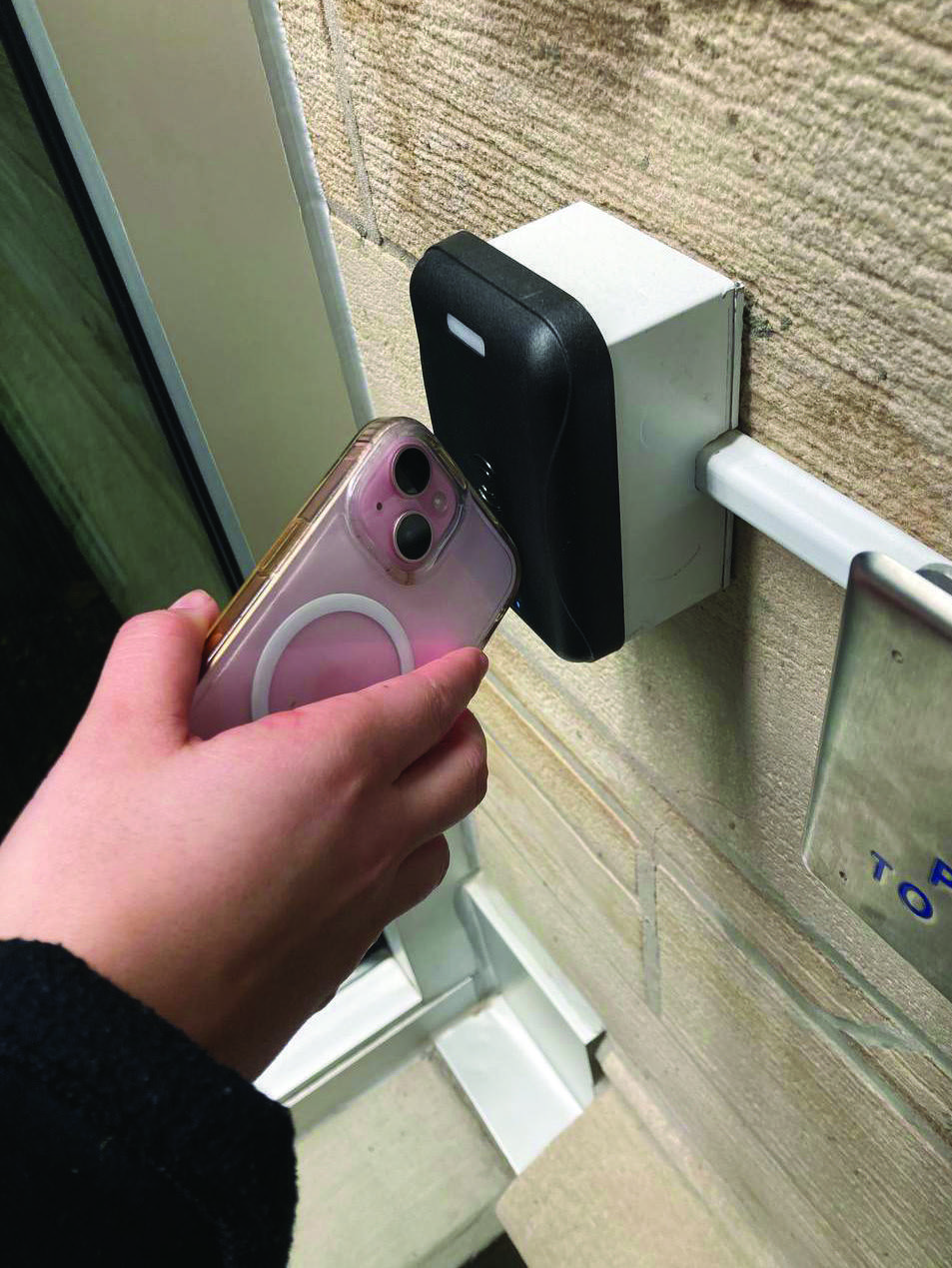
With Crimson Card+ now fully implemented on campus, a minority of faculty and students have opted for the physical version.
Citing practical difficulties and concerns that the digital NFC Cards may increase unhealthy digital dependency, this campus minority paid to keep a physical card in their pockets instead of receiving the free digital version.
Currently, 84% of students and Grove City College employees have the digital Crimson Card, with 16% opting for the physical option, according to Vice President for Information Technology and Chief Information Officer Vincent DiStasi.
DiStasi said the new system brings several advantages.
“NFC-based mobile credentials provide stronger security, greater convenience, privacy protections, self-service features, and align with the current standard for secure access systems,” DiStasi said. “Mobile credentials allow our users to access campus services using the phone or smartwatch they already carry while benefiting from the additional security features built into modern devices.”
For many of the 16%, having a physical copy is a practical choice.
“I don’t like having to rely on my phone more than I already have to,” said Iain Jenkins, a senior mechanical engineer who bought a physical card. “My phone battery dies really quickly, and so I don’t want to be stuck locked out of my building because I didn’t bring a charger with me.”
Being locked out was also a concern college faculty shared during the system’s initial introduction in the spring of 2026.
Ethan Johnson, a cybersecurity expert and Assistant Professor of Computer Science, said this concern, however, was explicitly addressed and faculty were promised “under no uncertain terms” they would be offered a physical card option if they did not want to depend on the digital version to enter their offices.
Johnson said NFC cards are a much safer option for the college, citing that the new system is less vulnerable to exploitation and skimming. However, Johnson said the physical cards are just as secure as the digital IDs and wished students had received better clarification on their access to the physical version.
“The dependability of a technology should be proportional to the importance of how much you can afford for it to go wrong,” Johnson said. “For us faculty, losing our digital ID would be an inconvenience because we can’t get into our office, but for a student who’s living in a building, that could mean, ‘I’m standing outside waiting for a friend who I can’t even call because I don’t have my phone.’”
Students were informed by email last spring that those with an incompatible phone or no phone could request a physical card by completing a form, but the format of the form left some unsure of how to answer honestly.
While the form included an “other” option for those who did meet the other two criteria, Johnson maintained that he heard from students that the omission of an explicit option for personal preference made them feel dishonest or unjustified for still wanting an exemption.
“Some students were feeling like if they couldn’t select one of the official answers, maybe they were lying,” Johnson said.
DiStasi clarified that current freshmen have been permitted to request and receive physical IDs like upperclassmen and that the college does not currently anticipate changes to this access.
For students using digital cards, no unexpected digital hiccups have been experienced, according to DiStasi. Citing that the system has been live for over a year with pilot groups doing early testing, DiStasi said the system has undergone adjustments and feedback before its implementation in the fall.
Jonathan Hutchins, Associate Professor of Computer Science, said that while not an unusual occurrence, the installation process did come with some difficulties.
“I spent a lot of time talking to the engineer who put the system in, and everywhere else he has installed this, it’s been error-free, but for whatever reason the installation here has been challenging,” Hutchins said.
Hutchins explained that the system kept “failing silently,” allowing the program to continue without revealing that a bug or error had been encountered.
“He couldn’t look at logs and see what happened,” Hutchins said. “He was just kind of guessing.”
This silent error locked computer science professor Britton Wolfe out of his office close to a dozen times.
“At the peak of the problem, most days I was locked out at least once,” Wolfe said
Wolfe said he has only been locked out once since the vendor reset the lock two weeks ago.
Some college residents also worry that the college’s increased digitization will negatively impact the students’ focus and mental health.
“The nature of the work of a student requires a level of focus that can be harmed by the constant notifications and dopamine hits that an iPhone is designed to deliver,” junior biblical and religious studies major Joshua Youngquist said. “I got a physical card so as to have the freedom to move around campus without my phone. I like to be able to leave it in my backpack, out of sight, out of mind.”
For Johnson, the new system was needed, but he hopes the college will continue to receive feedback about ways the system can be improved.
“Certainly, the technology is sound. And certainly, the old technology needed an improvement,” Johnson said. “But in my mind, pushing back isn’t about rejecting technology. It’s about saying, let’s make technology serve our needs better.”