

By Randall Elvin · Entertainment Editor
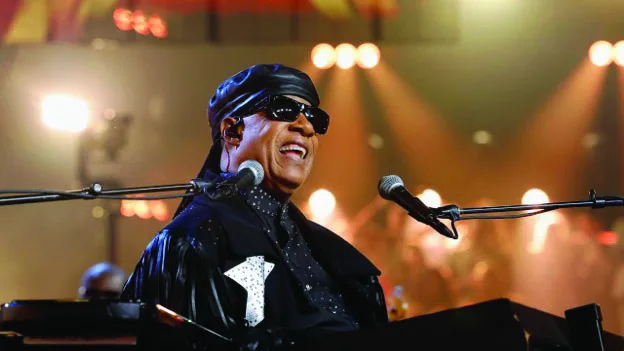
At 76, most people have set their careers behind them. Retirement usually means taking it slow and living life apart from their job. Elton John no longer tours. Cher has announced retirement tours, while Barbra Streisand has stepped down from touring and recording.
Stevie Wonder has defied the patterns of his musician peers. He continues to perform and release music at 76 years young. On Sept. 28, Wonder released four songs from 1976. These unvaulted songs would have been part of his album “Songs in the Key of Life” from that same year. Instead, Wonder released a four-song EP that allows listeners to hear what was under wraps for over 50 years.
For those unaware of Wonder’s place in music history, his career is difficult to overstate. He remains one of the most influential 20th century artists. Songs such as “Superstition,” “Sir Duke,” “Isn’t She Lovely” and “I Wish” helped make him a household name. His work as a songwriter, producer and multi-instrumentalist established him as far more than a performer.
“Songs in the Key of Life” produced some of Wonder’s biggest hits on the way to becoming one of the most iconic albums of the decade. It won Album of the Year in 1976 at the Grammys and has continued to influence musicians long after its release. Yet Stevie Wonder thought the album had more to give after half a century.
The new EP opens with “It’s Easier,” a smooth, bossa nova-influenced song about the difficulty of walking away from love. “My Life Story of Love” follows with a more romantic sound and was co-written with former Supremes member Susaye Greene.
“I Can See the Sun in Late December” takes a more reflective approach, pairing a slower sound with themes of hope and looking toward better days. The final track, “I’m Into Livin’,” brings the energy back up with a funkier sound and lyrics about leaving an old lifestyle behind and embracing a new commitment.
Wonder’s cultural footprint extends beyond his music. His blindness has become one of the most recognizable parts of his public identity, to the point that his name is frequently used as shorthand in popular culture for someone who cannot see. Rap artists have repeatedly referenced Wonder’s blindness in their lyrics, while comedians and television shows have made similar jokes. Wonder himself has played along with the reference, once joking about being able to “see 20/20 in the dark.”
That is especially relevant for younger listeners today. A college student in 2026 might recognize Stevie Wonder from a lyric, a television joke or a reference to blindness before recognizing “Superstition” or “Songs in the Key of Life.”
Beyond the cultural shorthand, Wonder has been making music for more than six decades, spanning many musical eras.