
Scripture and tradition support this historic practice
By Jessica Ivory · Contributing Writer
Paul writes in 1 Corinthians 11:2, “Now I commend you because you remember me in everything and maintain the traditions even as I delivered them to you.”
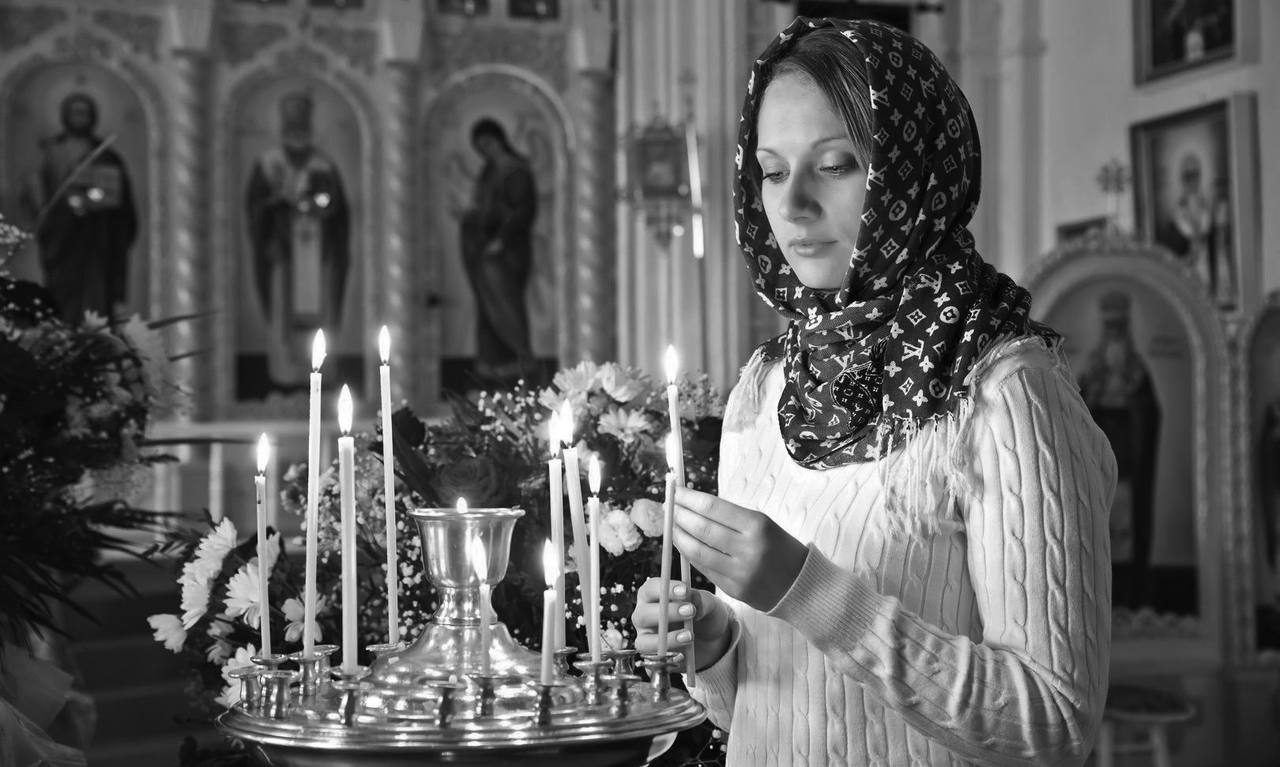
In the modern western church, we often find ourselves under pressure from the culture to abandon our historic teachings. One such victim of Christianity’s theological retreat is the practice of women wearing head coverings in church. Despite our contemporary cultural standards, Scripture is clear in its call for women to wear head coverings.
In 1 Corinthians 11, Paul commends the church in Corinth for maintaining the traditions he passed on. In verse 23 of the passage, Paul tells us the teaching he delivered to the Corinthians was given to him by the Lord. In 2 Thessalonians 2:15, Paul encouraged the Thessalonians to “stand firm and hold to the traditions that you were taught by us.” Paul commended the Corinthians for maintaining the traditions he had received from Christ, namely the practice of wearing head coverings in church services.
Critics have argued that head coverings in church are a cultural practice. However, in 1 Corinthian 11:7-12, Paul uses the created order to explain why women ought to cover their heads. A major theme in Pauline theology is appealing to the creation order. Paul uses this appeal to establish theological truths and recommend certain practices. We have no reason to assume this passage is any different. For Paul, the practice of head covering is not merely a cultural issue — it has profound theological significance.
The passage itself contains five arguments in favor of head coverings: that the head of a wife is her husband, that an uncovered head is the same as a shaven head, that women were created for and from man and women must cover their heads for the sake of the angels. These arguments, three of which are arguments based on the order of creation, prove head coverings in church honor God and His commands.
Various theologians across denominational traditions, from Aquinas to Calvin, endorse head coverings as a Christian practice. In Tertullian’s work “On the Veiling of Virgins,” the early Christian writer argues that unmarried women ought to veil themselves.
“We cannot contemptuously reject [this] custom which we cannot condemn [as] ‘strange’, since it is not among ‘strangers’ that we find it, but among those, to wit, with whom we share the law of peace and the name of brotherhood,” Tertullian wrote.
Scripture and tradition are clear about what is required of women in church services: to cover our heads. We have been taught that we must “stand firm and hold to the traditions.” Supporters of feminism would react to this call with disgust, but we must not forsake Scripture to appease the world. If we are to call ourselves faithful followers of Christ, we must, as John 14:15 teaches, keep His commandments.