
Journalism internship causes anxieties
By Anastasia Brown · Community Editor
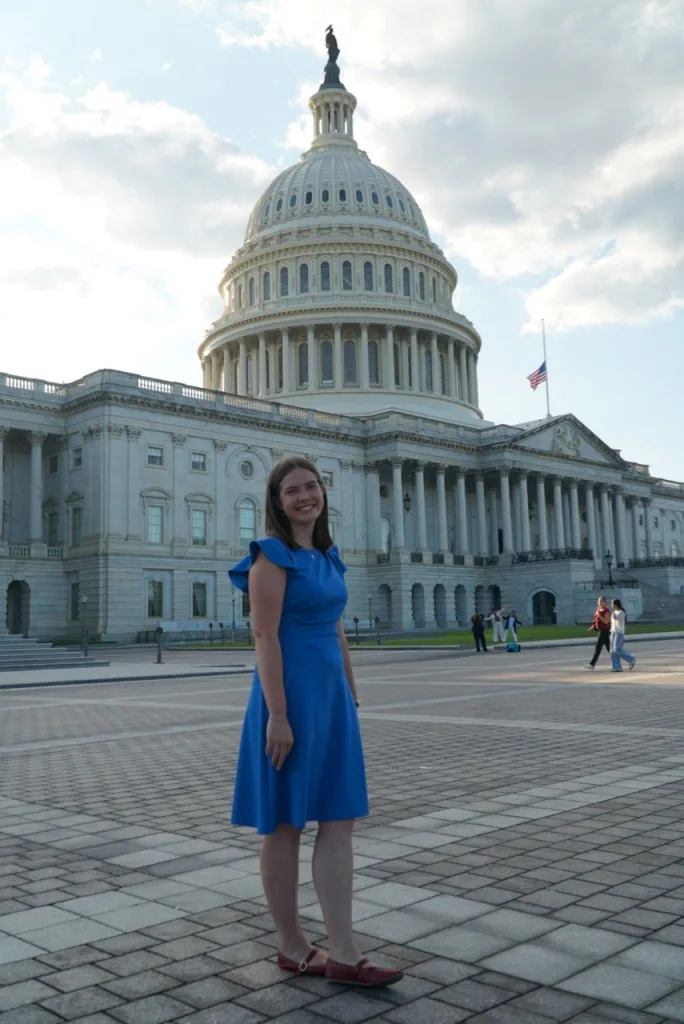
This past summer, I spent 10 weeks in Washington interning for a political magazine called The Spectator. Founded in 1828, it’s one of the oldest publications in the English language.
It’s also primarily based in London, and the small D.C. “international” office, with its four desks, cramped recording studio and two windows overlooking scenic back alleys, is reportedly much less glamorous than its UK counterpart.
The primary role of the U.S. reporters was to write on American politics — run-of-the-mill behavior for D.C. The unique element of this role was the audience. After all, since much of the readership was also British, many nuances of the current D.C. political scene might not make sense — or feel relevant — to a reader on the other side of the pond.
I didn’t know when I first arrived at the office complex in DuPont that my summer would begin to feel like a spy movie. I was even given an alias – a crotchety old British gentleman with strong opinions about D.C. news and gossip.
Each day, I would hunt up a story — while walking the streets of D.C. or attending a conference or event, or (more prosaically) while scrolling Twitter (X) — and when I hit on something that balanced newsworthiness with a good dose of irony, I would get to work researching. Maybe I would dig through old internet archives, or maybe I would interview someone on the street at a rally. Whatever it took to paint a picture that would engage an audience thousands of miles away.
When I sat down to write the story, I would shift my tone to match that of Cockburn — our fictional British correspondent with a wrung-out-dry sense of humor toward just about everything. Crafting these stories was a much more creative exercise than any other type of journalism I had done before — I had to carefully adapt my tone, focus and even my jokes from my own style to something else entirely.
While a good adventure, my undercover identity as Cockburn this summer had some drawbacks. Sometimes I felt a distance between myself and what I was writing. Were these even still my opinions, or was I just trying to hit a snarkiness quota?
Not having my real name on the pieces sometimes felt like a way to dodge responsibility — but it still hurt when I read hate comments under a piece I had written. (“It’s just stupid… STUPID, Stupid” was one particularly illuminating comment under one of my columns.)
“Understand your audience” — it’s a generic slogan of advice leveled at students in most writing and public speaking classes. But it’s a trickier balance than I used to think. How much do you let that audience dictate what you say?
After all, the goal of writing is to write something worth reading, so the audience’s preferences, opinions and presuppositions must be considered. But the truth must prevail against the naysayers, and no piece of writing will ever be universally loved, so the audience can’t call all the shots.
It’s something worth considering even here at Grove City, where hate mail is usually a bit less vicious than in our nation’s capital. How can we best serve our community with our words? I think it’s going to require a tricky balance of honest, yet charitable reporting — being confident in our pursuit of truth while also being thoughtful in how we depict our fellow students, faculty and surrounding community.
And we’re always trying to draw a fuller picture of our audience here at Grove, so if you have any upcoming community events or exciting on-campus opportunities that you would like to see covered by The Collegian, don’t be shy — send tips to me at brownah21@gcc.edu.