
By Elizabeth Jenkins · Contributing Writer
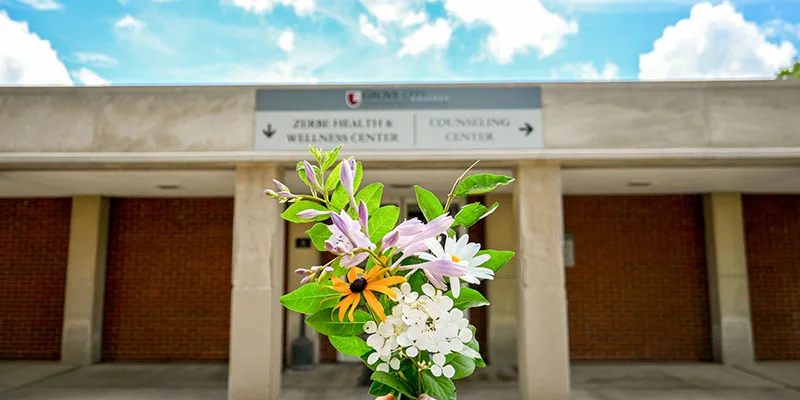
As cold and flu season makes its annual rounds across campus, students are increasingly calling in sick, but obtaining an excused absence from Zerbe Health and Wellness Center may be more difficult this year for many.
While the Director of Health and Services, Jodi Caldwell, declined to comment on any changes to the center’s policies or an increase in restrictions for obtaining excused absences, sick students report that the center found their symptoms were not up to snuff.
Lauren McGuire, a sophomore English major, recently had to go to Zerbe Health and Wellness Center (Zerbe) after waking up with a sore throat and a “severe” head cold.
“I was very lightheaded, coughing a lot and very obviously ill,” McGuire said.
McGuire skipped class to attend a 9 a.m. appointment, the only available time slot. However, McGuire was refused an excused absence for that missed day of class and the following days of contagion.
“What they told me was that they were only giving excuses for people who tested positive with strep or had very extreme viruses,” McGuire said.
Caldwell explained that the center has seen more sick students, but these cases don’t always require bed rest or isolation.
“Colds are common, and a large portion of the campus would need an excusal note if every cold and sniffle led to missed class(es),” Caldwell said. “Excusal notes can be granted offering times when the student was in Zerbe to be evaluated, although this doesn’t always necessitate the need to be out of additional classes.”
Several students have expressed concern about the potential of this policy change, predicting it might encourage students to attend class while still infectious. Abigail Davis, a junior middle level education major, discussed the potential risks for students dealing with compromised immune systems.
“In the past year, I have already almost been hospitalized twice for fevers. With Zerbe’s new policy, if a person were to have a low-grade fever or a small stomach bug … and Zerbe were to say, ‘no provost excuse,’ that encourages them, then, to go to class sick, making it much more likely that I could get sick,” Davis said.
Davis said that, as someone dealing with a chronic illness, delaying or even preventing students from obtaining medical leave poses a serious threat to students who have compromised immune systems.
“While it may not be a big deal for them, it could be a very big deal for me,” Davis said.
In the past three weeks, large numbers of students have been absent from classes. Several classes have been canceled for multiple days because professors have been likewise affected.
During this and the upcoming flu season, professors and students alike rely on Zerbe to provide sick notes that allow for excused absences. Caldwell commented, citing The Crimson, that students with medical concerns should contact the professors as well as the health center to gain medical excuses.
Professors, however, find Zerbe to be an important part of maintaining class order. Virginia Rawl, an English professor, commented on the helpfulness of Zerbe’s sick policy, saying, “I have appreciated the fact that when the students are legitimately ill, (they can) go to Zerbe (and) be given a note.”
She elaborated that professors frequently rely on Zerbe to help them vet students and the validity of their requests for an illness-based excused absence.
Caldwell offered that excuses are necessary in many situations and will be provided. She further encouraged students to maintain their hygiene, get adequate rest and isolate themselves if they are experiencing symptoms.