
By Austin Zeilstra · Contributing Writer
Our college should seek the flourishing of its students above all else, and each campus decision ought to be made toward that end.
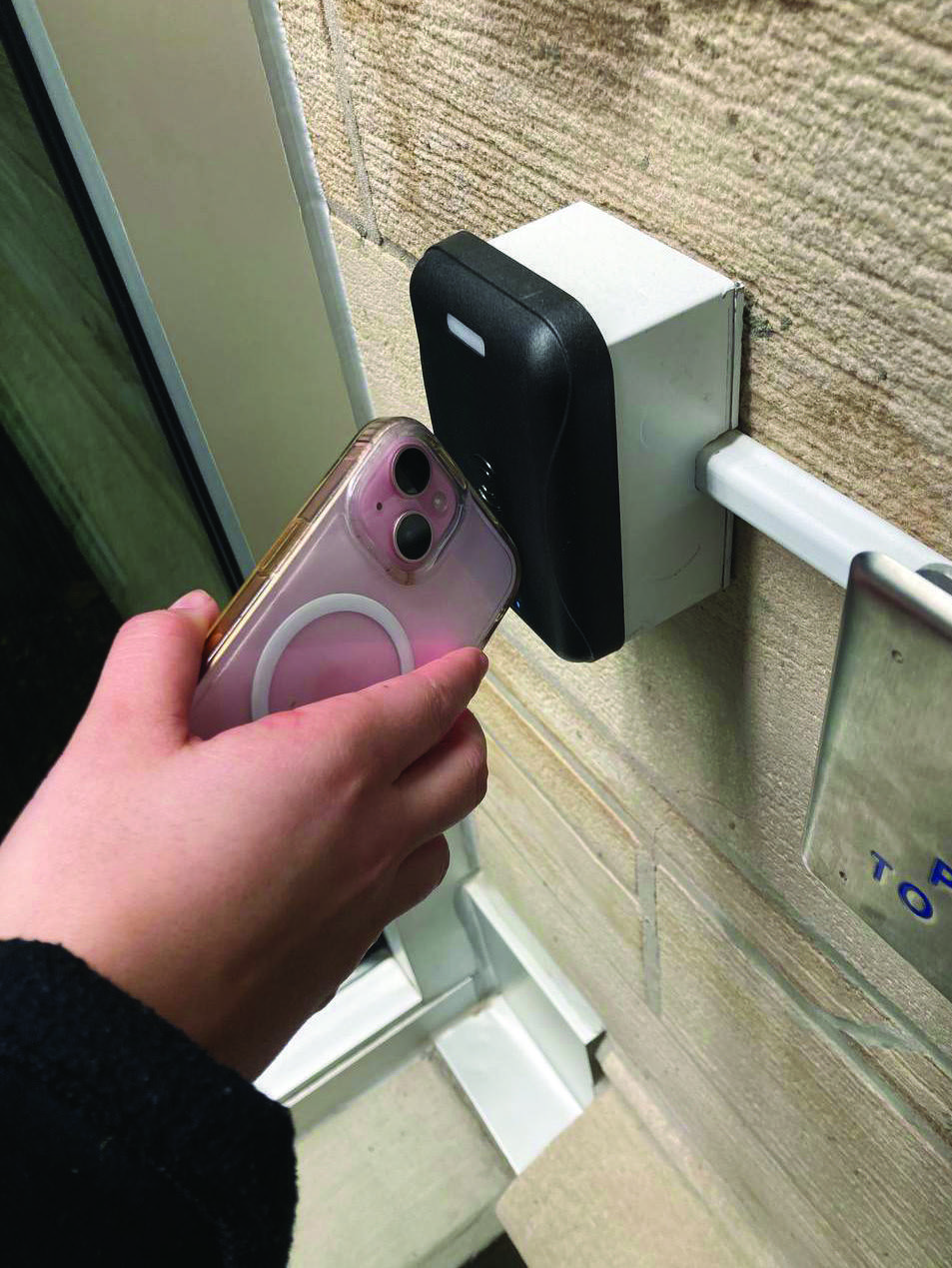
The implementation of the Crimson Card+ and the subsequent obsolescence of current physical ID’s is not a decision aimed toward flourishing but one focused on convenience (see the all-campus email sent 3/16) or, at best, safety (see the article in the 3/13 edition of “The Collegian”).
The college’s ID change will not lead to flourishing but would in fact cause our campus’s character to suffer due to an increased reliance on and attention to digital technology, especially phones.
Why would our technology department choose to require or, at best, strongly encourage students to use digital IDs when our professors, Christian Formation staff and other influential campus voices spend so much time warning us of the dangers of our disordered digital engagement?
If our learning should impact the way we live, we must encourage students to actually practice that which they are taught, including in the realm of technology. Why incentivize students to carry their phones at all times, pull their phones out even more and thereby pay extra attention to the distractions found therein, when all these things heighten the addictive and deleterious effects of phone usage?
If safety truly is a concern, physical ID cards with NFC technology could improve safety without causing further harm from digital technology, and this form of physical ID, not digital ID, should be the norm for our community.
As a Memorial Hall Resident Assistant, I recently had a conversation with two of my residents who openly admitted that they have a phone addiction. The addiction distracts them in class, disrupts time with friends and is a pathway to temptation, a frightening drain of time, an inhibitor of focus on schoolwork and an increasingly necessary source of dopamine.
My residents told me all these things while also expressing a sense of helplessness to address their phone addiction. If the college’s ID change were made, my residents would feel even more helpless, as each door, meal and book checkout would require them to come face-to-face with their addiction.
My residents can’t undertake certain practices to heal from their addiction, such as going a day without their phones, if they are required to always carry their phones or other digital technology.
Two days after this conversation, I talked with another one of my residents, who shares none of my Luddite-ish tendencies, about the issue, and he expressed his concern with the implementation for other reasons, one of which is financial.
It was only recently that he could afford a phone with NFC capabilities, and he was concerned that other students who didn’t own such a phone for financial reasons would be charged a fee for needing a physical ID.
The poor, then, would be further burdened financially because they cannot purchase a fancy enough phone and burdened emotionally by having their lack of means highlighted and penalized. Is this a way to promote flourishing on a campus devoted to the One who taught us to honor and serve the poor?
Our campus character will not be improved by a dedication to convenience, nor by an overabundance of caution, and certainly not by more technology in our moment-to-moment experience as students.
As my freshmen residents reminded me, our flourishing is endangered, not encouraged, by this change, and I sincerely hope that our administration will either abandon the Crimson Card+ all together or make physical ID an equally valid, equally accessible option for all students.