
GCC students are preparing for futures in a world dominated by social media.
By Olivia Emerick · Copy Chief
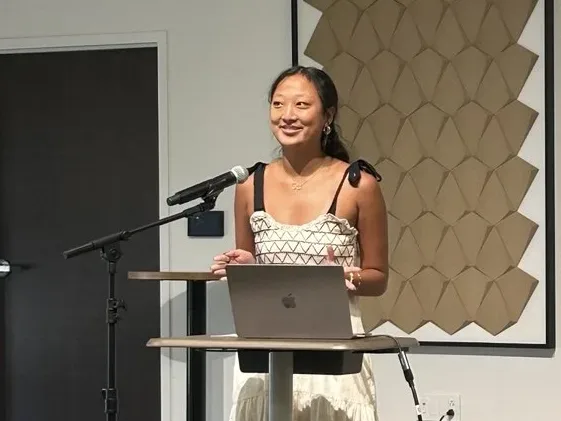
As social media dominates the cultural landscape, Grove City College students prepare to enter the workforce with a thorough understanding of the digital world.
Before the 21st century, students did not need to know how to post Reels, write engaging Instagram captions or respond to negative comments online. Now, in the digital age, these skills are useful. Brands are searching for people who understand how to use social media to its fullest potential.
Tava Derr got a job with Parkhurst Dining Services after graduating in May 2026. She previously worked there as a marketing and engagement intern and Parkhurst Dining asked her to return as a marketing coordinator.
Derr, who graduated with a degree in communication arts, said she was drawn to social media marketing because she “wanted a role where (she) could make things.”
“And so, (with) social media, you can take pictures, which I love,” Derr said. “You can make videos. You can make graphics. It’s kind of everything that I enjoy doing in one space.”
Another Grove City student, senior Abby Bonaquist, spent this summer working as a social media intern for Portage Learning.
“I helped brainstorm things for the larger marketing department. … I helped create carousel posts or come up with TikTok ideas,” Bonaquist said. “I acted in some TikToks, filmed them, managed their calendar scheduling system.”
Both students credited the college with giving them the skills to succeed in these positions. Bonaquist found the social media writing course she took with communication arts professor Kimberly Miller especially helpful when dealing with online negativity.
“In that class we talked about dealing with conflict … or dealing with rude comments online,” Bonaquist said. “Part of my job with my summer internship was to reply to the Google reviews, and sometimes those would be bad.”
Bonaquist could take the tools she learned in this course to handle and respond to these reviewers, “reaching out to them and truly apologizing and saying sorry for their experience,” while also “making a good impression for other people.”
Both Derr and Bonaquist acknowledged the importance of maintaining a balance of knowing what is happening on social media without sinking all their time into it.
“I actually got an app blocker thing, so I try to limit myself to 9 to 5. … And then after that, in the evenings, no social media,” Derr said.
Besides its addictive nature, there are other negatives to being on social media.
“You have to remember that people will only post what they want to post. … People are crafting these messages and editing things,” Bonaquist said. “I think girls especially will look online and be like, well, this girl’s doing it all. This girl has perfect balance, perfect body, perfect everything.
“You just have to remember that, I mean, a lot of times it’s just these people’s jobs to look like that, and they’re getting paid to literally look perfect for social media.”
According to the Pew Research Center, roughly 70% of American adults have some social media. According to Derr, social media is a fast, easy and cheap way to reach vast numbers of people.
“It’s where the people are,” Derr said. “And we, the marketers, have to go where the people are.”