By Madelyn Braho · Staff Writer
When it was announced that Guillermo del Toro would be adapting “Frankenstein,” many horror fans were excited. Del Toro is known for his beautiful and romantic horror films, such as “Crimson Peak,” and novel takes on classic stories, like 2022’s “Pinocchio.”
So, when “Frankenstein” landed on Netflix and in select theatres in November, expectations were high.
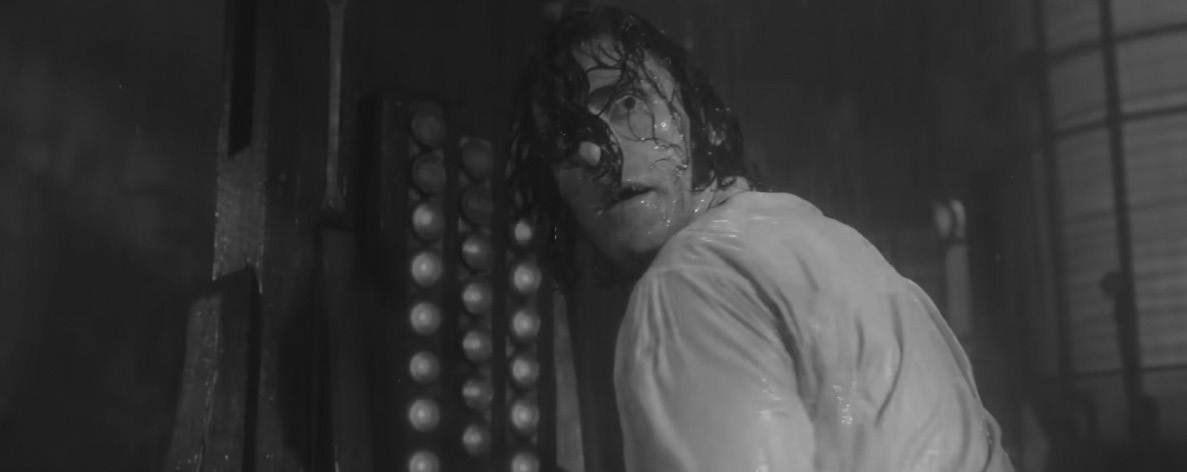
Visually, the film is a masterpiece. The composition of shots is often breathtaking, having awesome scale and shocking color contrasts. Elizabeth, played by Mia Goth, wears costumes mixing textures and colors that make her reminiscent of the insects she loves and studies, and the design of the Creature is faithful to the book, at once beautiful and horrifying. Every frame in this movie feels carefully arranged and visually compelling.
Of course, many things have changed in the adaptation, as is the case any time a classic story becomes a movie. Victor is no longer a sleepless university student, but an established medical doctor and inventor played by Oscar Isaac.
As usual, his friend Henry Clerval is nowhere to be seen. Elizabeth is reimagined as the niece of the man who finances Victor’s work, and in classic del Toro fashion, is one of the only people to have sympathy for the Creature.
The Creature, played by Jacob Elordi, initially has the most similarities to his book counterpart. His time spent in the hut attached to a family’s cottage after he is abandoned by Victor is one of the most compelling portions of the movie, translating a part of Shelley’s novel that rarely makes it to screen.
Where the movie separates most from its namesake is in how it treats monstrosity. It is cliché at this point to say Victor is the real monster, but nevertheless, it holds true in this adaptation.
Del Toro is the king of sympathetic monsters and women who have sympathy for them, and “Frankenstein” is no different. After being rejected by Victor and experiencing a few fleeting moments of connection with humanity, the Creature’s journey culminates in a vindictive murder spree in vengeance towards Victor. This character development becomes significantly less complex in the film.
Del Toro’s creature is not a monster in any way but physical, and by extension, Victor becomes much less compelling. This makes sense with del Toro’s filmography, as he wants us to identify with and love characters that are visually, but rarely morally, monstrous.
Isaac portrays Victor’s inner turmoil well as the doctor deals with the implications of what he has done in abandoning his creation. While the Victor of the book feels trapped by his situation, del Toro’s Victor just seems to be digging himself deeper.
This movie may not be for those who are book purists, but that does not mean it is not worth the watch. Visually, del Toro is at a high point in his career, and the touches of body horror are genuinely unnerving. Following the motifs throughout the film, such as Victor’s angel, as well as his peculiar habit of fiddling with an ivory miniature of a human body, are interesting touches that are fun to look for.
Go in with a willingness to appreciate what is faithful and thoughtfully examine what has changed, and unlike Victor, you won’t regret the time spent.